
Who Gets To Be Seen As Feminine Enough To Protect?

Femininity, Colonialism, Respectability Politics & Emotional Survival
Growing up in Malaysia, femininity did not look “safe” to me.
Most of the time, it looked exhausting.
A lot of the women around me were managing entire households psychologically while pretending they were not under pressure. Monitoring men’s moods constantly. Swallowing humiliation because fighting back would make things worse later. Carrying everybody else emotionally while being treated as irrational the moment they became visibly angry themselves.
Some of the most “feminine” people I knew were also the most hypervigilant people I knew.
And I think this is part of why certain conversations about femininity coming out of English-speaking Global North contexts often feel emotionally unfamiliar to me. Especially conversations that frame femininity as naturally nurturing, emotionally evolved, anti-violent, morally superior, or inherently safe.
Because in many postcolonial societies, femininity was not simply shaped through softness.
It was shaped through discipline.
In This Reflection
Femininity & emotional survival
Hypervigilance mistaken as empathy
Colonialism & respectable femininity
Emotional labor inside Southeast Asian households
Transmisogyny & racialized femininity
Respectability politics & emotional compliance
Abolition beyond policing
In many Southeast Asian households, girls are taught emotional risk assessment extremely early.
You learn:
which version of yourself creates less tension
which topics make dinner unsafe
which relatives enjoy humiliation disguised as discipline
how to soften yourself before conflict escalates
how to apologize before anyone explicitly asks for one
how to laugh carefully
how to avoid embarrassing men publicly
how to absorb discomfort before it spreads across the room
A lot of girls learn that emotional safety comes through anticipation.
The “good daughter” is often the one who notices tension first. The one who remains useful under pressure. The one who keeps the family emotionally functional even when things inside the household feel frightening, humiliating, unstable, or emotionally volatile.
After awhile, that level of self-monitoring stops getting recognized as survival.
People call it:
emotional intelligence
maturity
grace
composure
good womanhood
But hypervigilance and empathy are not always the same thing.
Sometimes people become emotionally observant because unpredictability carried consequences.
Hypervigilance Often Gets Romanticized As Femininity

One thing I keep returning to is how often emotional suppression gets reframed as feminine virtue.
A lot of institutions reward people who know how to disappear their distress effectively.
Schools reward emotional compliance.
Workplaces reward emotional self-management.
Families reward children who minimize tension.
Religious environments reward obedience, modesty, and emotional restraint.
Even therapy language can sometimes become entangled with this logic when people are praised primarily for becoming calmer, quieter, more productive, more emotionally digestible to others.
A lot of femininity becomes tied to emotional manageability.
Not necessarily because women are naturally more emotionally evolved, but because many women are punished earlier and more intensely for emotional disruption.
Especially around:
anger
conflict
sexuality
visibility
loudness
instability
refusal
need
emotional unpredictability
Colonialism Reshaped Femininity Across Southeast Asia
Across British colonies, Victorian morality became heavily tied to ideas of civilization, discipline, governance, cleanliness, and respectability.
Gender became one of the ways colonial powers measured whether a population was considered “civilized” enough to govern properly.
You still see remnants of this everywhere across Southeast Asia now.
The “good woman” became associated with:
restraint
domesticity
modesty
heterosexual family order
emotional composure
sexual respectability
emotional self-control
Meanwhile women who were:
emotionally loud
sexually autonomous
poor
mentally ill
disabled
neurodivergent
masculine
gender nonconforming
socially disruptive
difficult to discipline
became framed as threats to social order itself.
A lot of people now defend these expectations as timeless “Asian values” without recognizing how deeply colonial governance reshaped what respectable femininity looked like in the first place.
Colonialism did not simply reorganize political systems.
It reorganized emotional life inside families.
Respectable Femininity Has Always Been Unevenly Distributed
Not everyone gets granted softness equally.
Some femininities are treated as inherently safer, cleaner, calmer, or more deserving of protection than others.
Respectable Femininity Often Gets Rewarded Through
| Rewarded Trait | Often Interpreted As |
|---|---|
| Quietness | Maturity & intelligence |
| Thinness | Discipline & self-control |
| Emotional restraint | Stability & trustworthiness |
| Soft-spokenness | Safety & femininity |
| Usefulness | Moral worth |
| Non-confrontation | Respectability |
| Conventional attractiveness | Social legitimacy |
| Institutional comfortability | “Professionalism” |
Meanwhile racialized femininities are often interpreted through suspicion first.
Black women are masculinized and read as aggressive even when behaving similarly to white women. Brown women are often framed as excessive, emotional, uncivilized, or sexually improper. Poor women are treated as irresponsible. Disabled and neurodivergent women are punished for failing emotional norms they were never fully allowed to opt out of.
Respectable femininity has always been distributed unevenly across race, class, disability, desirability, education, and proximity to institutional comfort.
Trans Women Often Run Directly Into This Wall
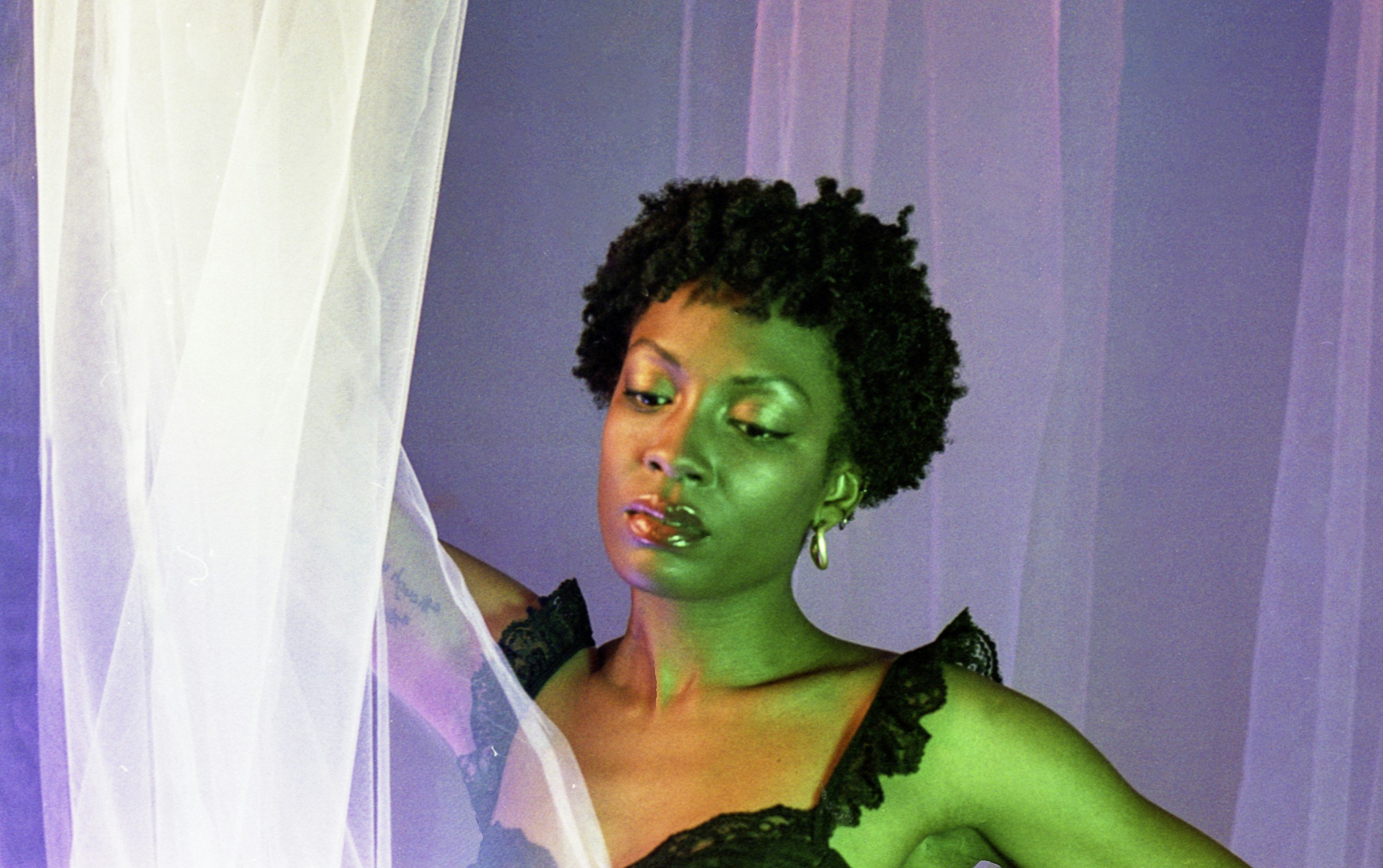
A lot of people talk about transmisogyny as though it is simply fear of transness itself.
But a huge amount of transmisogyny is also about violating expectations around race, class, desirability, emotional restraint, and femininity “correctly.”
The trans women who get framed as acceptable are often the ones closest to respectable femininity already:
thin
soft spoken
middle class
educated
emotionally restrained
conventionally attractive
non-confrontational
highly self-monitoring
skilled at making cis people emotionally comfortable
Meanwhile Black and Brown trans women, autistic trans women, poor trans women, migrants, sex workers, visibly traumatized trans women, loud trans women, angry trans women, and gender-nonconforming trans women often get treated as suspicious almost immediately.
Sometimes before they even speak.
People call certain femininities “unsafe” when what they often mean is:
This person is not performing femininity in a way that reassures existing social systems.
And I think this is where a lot of liberal feminist conversations become shallow.
Because femininity is still often discussed as though it is automatically politically good instead of something heavily shaped by:
empire
capitalism
race
religion
class
colonialism
nationalism
social control
Femininity is not automatically oppositional to violence simply because it is feminized.
Emotional Compliance Is Often Rewarded More Than Emotional Truth
A lot of institutions reward people who remain emotionally manageable under pressure.
People who:
do not create visible discomfort
remain useful
suppress distress effectively
continue functioning while exhausted
make institutions feel emotionally stable
Meanwhile people who cannot perform emotional composure correctly often get treated as dangerous long before they are treated as hurt.
This is especially true for:
mentally ill people
neurodivergent people
racialized people
poor people
queer and trans people
visibly traumatized people
emotionally dysregulated people
people whose suffering disrupts social comfort
Whole societies are constantly sorting people into categories like:
safe
unsafe
respectable
difficult
stable
dramatic
worthy
disposable
And femininity plays a huge role in that sorting process.
Who gets believed when they cry.
Who gets protected when they appear vulnerable.
Whose fear gets treated as understandable.
Whose anger gets framed as danger itself.
Who gets allowed complexity without immediately losing social legitimacy.
Abolition Has To Include Emotional Legibility Too
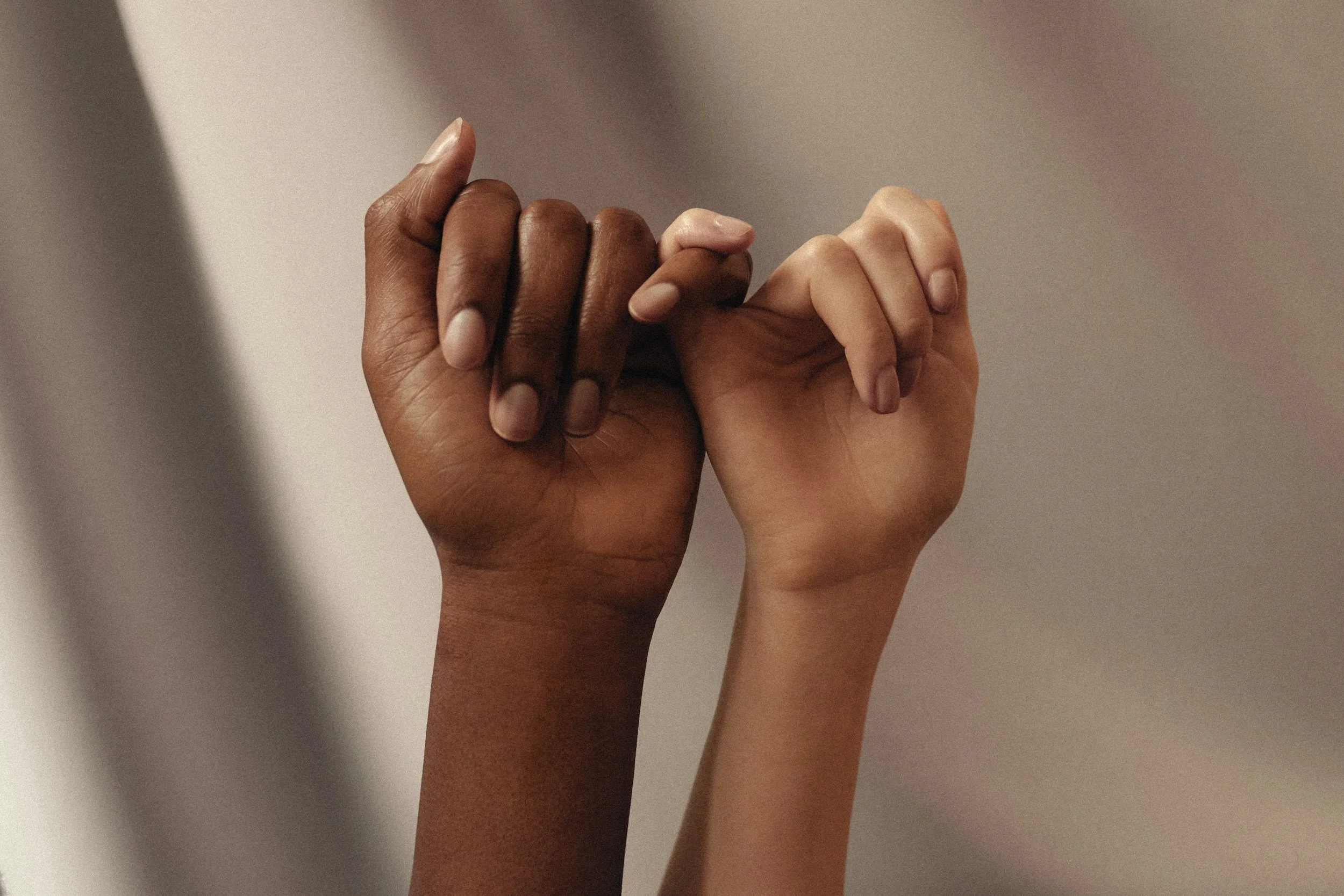
A lot of social violence happens long before police ever enter the picture.
It begins in the everyday emotional logic of who gets recognized as human enough to protect in the first place.
Who gets allowed:
contradiction
grief
instability
rage
dependency
softness
emotional complexity
visible need
without immediately becoming socially disposable.
This is why I think abolition cannot only mean dismantling prisons or policing as isolated institutions.
It also means questioning the emotional systems that decide:
whose distress becomes criminalized
whose fear becomes legitimate
whose pain becomes intelligible
whose femininity gets recognized as worthy of care
whose humanity remains conditional upon emotional compliance
Because a lot of violence happens through emotional sorting long before punishment becomes visible.
And femininity has always been one of the ways societies decide who deserves protection, softness, forgiveness, and humanity in the first place.
